
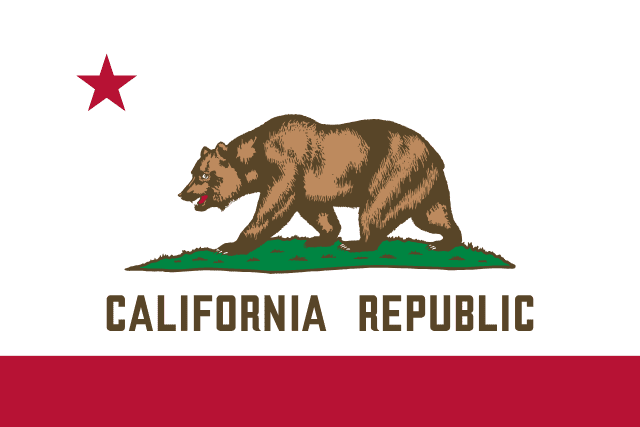
California Boating Destinations
Ocean marinas, protected bays, and inland lakes combine for diverse boating.
Top Places to Boat in California
San Diego Bay
Calm harbor waters and easy coastal runs.
Newport Harbor
Day cruising with upscale waterfront stops.
Lake Tahoe
Clear alpine water with mountain scenery.
Where People Boat in California
California boating works best when you treat the state as multiple water regions instead of one continuous coastline. Southern harbors, central-coast sanctuaries, northern bays, and inland lakes each demand different planning habits, vessel expectations, and trip timing.
San Diego Bay and Long Beach are practical launch regions for consistent year-round boating. Protected harbor water, large marina systems, and quick access to open ocean routes make both areas reliable for day cruising, sportfishing departures, and short overnight itineraries.
Catalina Island remains one of the most iconic California boat trips because it combines offshore routing with sheltered moorings and destination variety. Boaters often plan around Avalon for convenience or Two Harbors for a quieter anchoring experience with easier access to coves and snorkeling spots.
Santa Barbara and Channel Islands routes are ideal for crews who want nature-forward boating. The islands reward preparation with clear water, marine life, and dramatic shoreline features. Because crossing conditions can change quickly, captains usually run conservative weather windows and well-defined return plans.
Monterey Bay and nearby central-coast stretches are strong for wildlife-focused cruising. Whale activity, kelp zones, and marine sanctuary waters make this region visually exceptional, but the smartest trips are planned with temperature swings and sea-state variability in mind.
San Francisco Bay gives boaters a completely different operating profile from Southern California. Urban currents, bridge corridors, wind variation, and traffic density require disciplined route planning, but the payoff is unmatched skyline cruising with easy access to Sausalito, Angel Island, and broader bay loops.
Morro Bay and Bodega Bay are often chosen by boaters who prefer less crowded coastal character and fishing-driven days. Both areas offer rugged scenery and productive marine water, with trip quality depending heavily on local forecast reading and launch timing.
Inland California options like Lake Tahoe, Shasta Lake, and Lake Sonoma give owners freshwater alternatives when ocean conditions are less favorable. Tahoe is known for high-clarity alpine scenery, Shasta for expansive houseboating and coves, and Sonoma for balanced family recreation with easier pace control.
Trip Planning in California
Trip planning in California works best when you build the season around your actual launch rhythm instead of trying to treat every waterway the same. San Diego Bay and Newport Harbor reward different assumptions about distance, traffic, weather, and how much setup your crew is willing to handle on a normal weekend.
That is why California boaters usually get more value from choosing one dependable home-water routine and then layering in destination days. The combination of pacific coastline and major urban harbors gives the state range, but the easiest boating life still comes from matching storage, launch convenience, and crew expectations to the places you will use most often.
California Boating Guide
California is one of the most diverse boating states in the country because it offers high-function urban harbors, offshore island access, marine sanctuary cruising, and large freshwater systems in the same market. Owners who organize their season by region usually gain both safer operations and more total days on the water.
A practical state strategy starts with four route buckets: Southern California harbors, island crossings, central/northern coast runs, and inland lakes. This helps captains make realistic decisions on weather, fuel range, crew readiness, and turnaround time instead of forcing every trip into one fixed pattern.
Southern hubs such as San Diego Bay and Long Beach are strong for frequent use because marina support and launch convenience are high. These areas fit owners who want repeatable schedules with options for leisure cruising, waterfront stops, and targeted fishing departures.
Catalina planning should be treated as destination boating, not casual local cruising. Even for experienced crews, better outcomes come from fixed departure windows, reserve fuel margins, and clear fallback mooring plans when weather or harbor traffic changes.
Santa Barbara-to-Channel-Islands routes deliver some of California's best nature boating, including protected coves, marine wildlife, and high-clarity water. This region rewards captains who plan crossings with conservative assumptions and who match route length to actual crew experience.
Monterey Bay offers major ecological value for boaters interested in wildlife viewing and scenic coastal transit. Because conditions can shift through the day, successful trips rely on early checks, waypoint discipline, and route flexibility rather than rigid time-based itineraries.
San Francisco Bay is iconic but technical. Wind funnels, current behavior, shipping corridors, and bridge approaches require focused helm management. Boaters who treat Bay navigation as a skills-first environment generally build confidence faster and avoid high-stress returns.
Morro Bay and Bodega Bay serve boaters looking for a quieter, more rugged coastal profile. These waters can produce excellent fishing and memorable cruising, but trip reliability comes from launch timing, local marine forecasts, and honest go/no-go thresholds.
Freshwater systems like Lake Tahoe, Shasta Lake, and Lake Sonoma are important counterbalance destinations in California. They let owners maintain seasonal consistency when offshore conditions are less predictable, while still supporting watersports, family days, and multi-day relaxation.
If you are buying specifically for California, choose the boat around your top two use cases. A setup optimized for harbor and island days will perform differently than one tuned for inland recreation. Matching hull, range, and comfort to real destination behavior is more valuable than broad feature checklists.
For first-year owners, use a simple progression: one high-frequency local harbor, one planned island or coastal destination each month, and one inland backup water. This structure improves utilization and keeps operational learning incremental instead of overwhelming.
Long-term success in California comes from process quality: route logs, maintenance discipline, regional weather habits, and consistent crew briefings. With that framework, California boating stays scalable, safer, and rewarding across every major water type in the state.
Choosing the Right Boat for California
Boat choice in California should follow where the season will really happen. A setup that feels ideal for San Diego Bay may not be the best fit for repeat days around Lake Tahoe, especially when boarding ease, range, fishing utility, weather tolerance, or towing logistics start to matter more than headline specs.
Owners who match the boat to the state’s real water pattern usually end up with a more reliable season and more repeat trips. In California, the best boat is rarely the one that looks best on paper for every possible route. It is the one that makes the most common day on the water easier to launch, easier to dock, and easier to enjoy.
Browse Other States
- Alabama
- Alaska
- Arizona
- Arkansas
- California
- Colorado
- Connecticut
- Delaware
- Florida
- Georgia
- Hawaii
- Idaho
- Illinois
- Indiana
- Iowa
- Kansas
- Kentucky
- Louisiana
- Maine
- Maryland
- Massachusetts
- Michigan
- Minnesota
- Mississippi
- Missouri
- Montana
- Nebraska
- Nevada
- New Hampshire
- New Jersey
- New Mexico
- New York
- North Carolina
- North Dakota
- Ohio
- Oklahoma
- Oregon
- Pennsylvania
- Rhode Island
- South Carolina
- South Dakota
- Tennessee
- Texas
- Utah
- Vermont
- Virginia
- Washington
- West Virginia
- Wisconsin
- Wyoming